What We Do
Research
We build computational methods and apply them alongside experimental collaborators to establish mechanistic causality at the host-microbe interface — identifying the enzymes, metabolites, and spatial programs through which microbes shape host physiology.
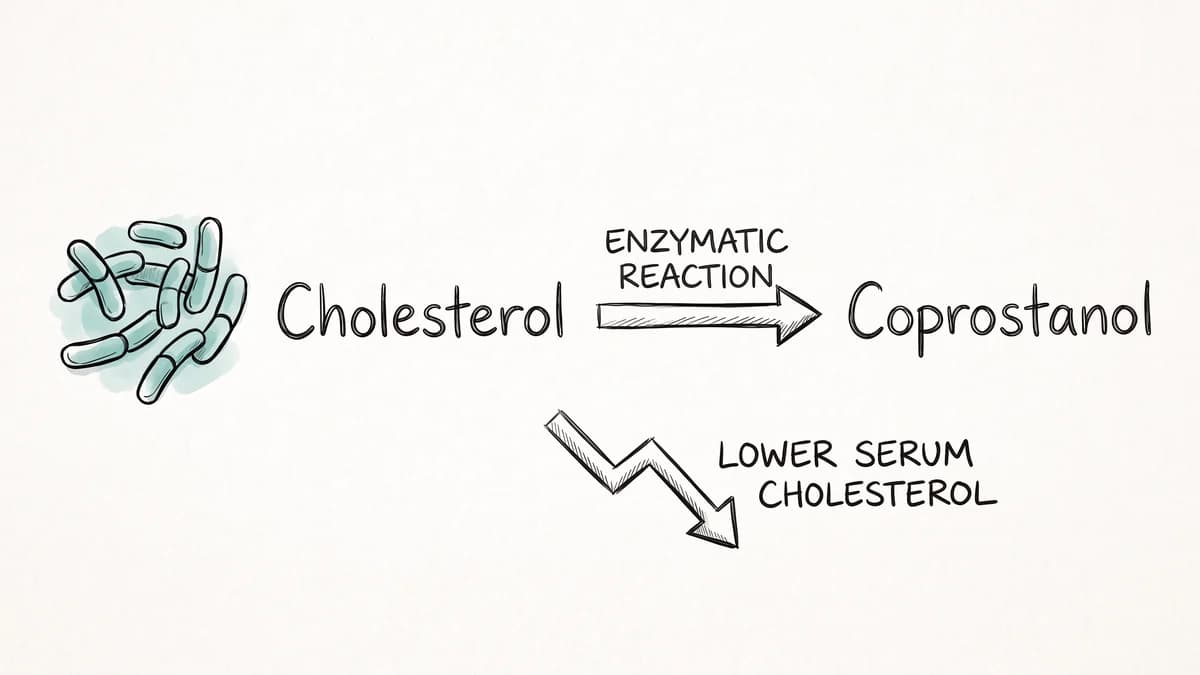
Gut Microbial Metabolism & Cardiometabolic Health
Most microbiome–cardiometabolic studies rest on cross-sectional snapshots. We use six years of paired fecal metagenomes and LC-MS/MS metabolomes from the Framingham Heart Study to ask how microbial metabolism tracks with host cardiometabolic trajectories — work that began with our discovery of Oscillibacter as a cholesterol-metabolizing genus.
- Temporal stability of the microbial metabolic landscape over six years
- Deconvolving microbial metabolic contributions from cohort data
- Cholesterol and steroid transformation by gut bacteria
- Prioritizing microbial enzymes as therapeutic targets
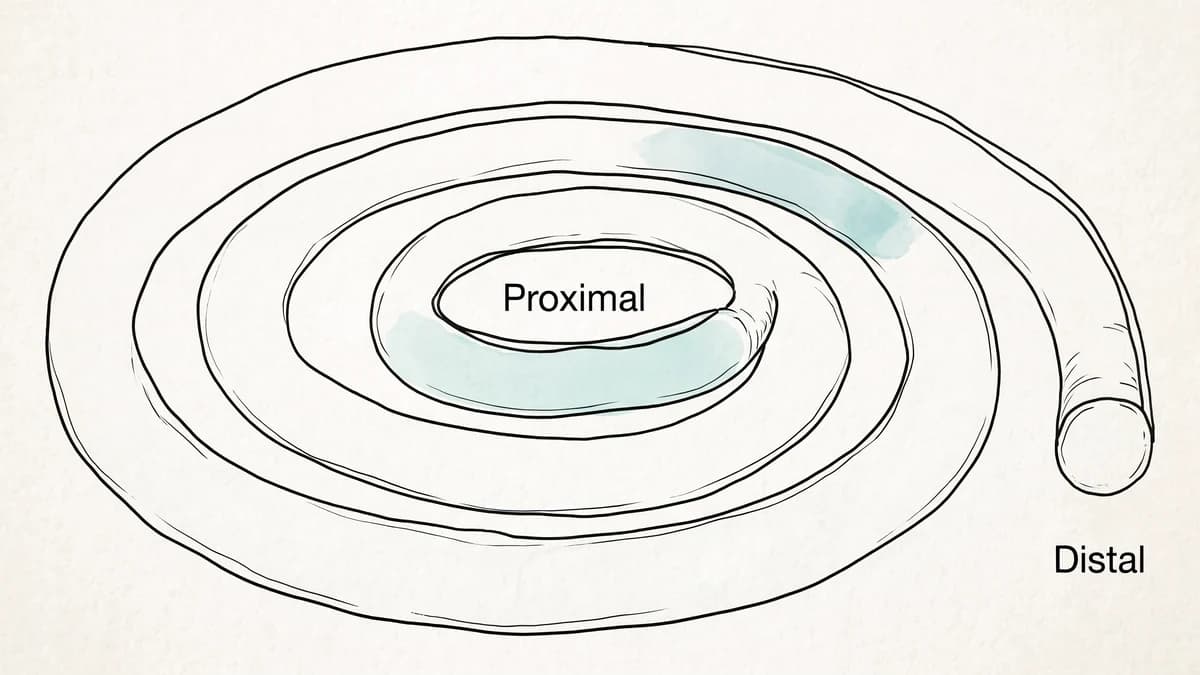
Spatial Biology of the Intestine
Our "Swiss-roll" spatial transcriptomic map of the mouse intestine revealed a microbially triggered ILC2–goblet cell axis in the mid-colon. We are extending the method to ask how the gut responds to a high-fat diet imposed just after weaning, and whether early-life dietary stress reshapes tissue identity reversibly.
- High-resolution expression maps along the full intestinal axis
- Diet-induced disruption of epithelial–immune crosstalk
- Plasticity and reversibility of early-life exposures
- Systemic validation in LDL-receptor-deficient models
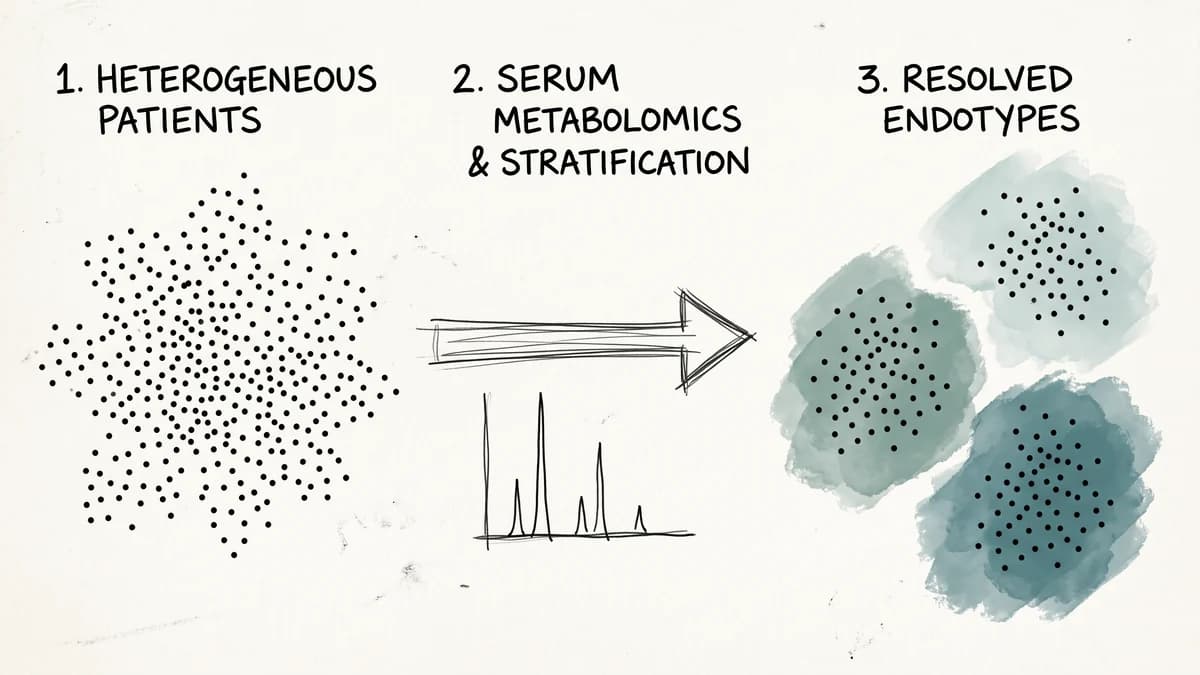
Decoding Sepsis Heterogeneity
Sepsis lacks effective treatment largely because patient responses are so diverse. We think the serum metabolome encodes the logic of its sub-phenotypes, and are building methods to characterize that "metabolomic dark matter" and resolve it into cell-type-specific pathways using single-cell references.
- Explainable models of sepsis sub-phenotypes
- Cell-type deconvolution of untargeted serum metabolomics
- Biomarkers for predicting clinical outcome
- Supported by a Broad CISID New Investigator Award
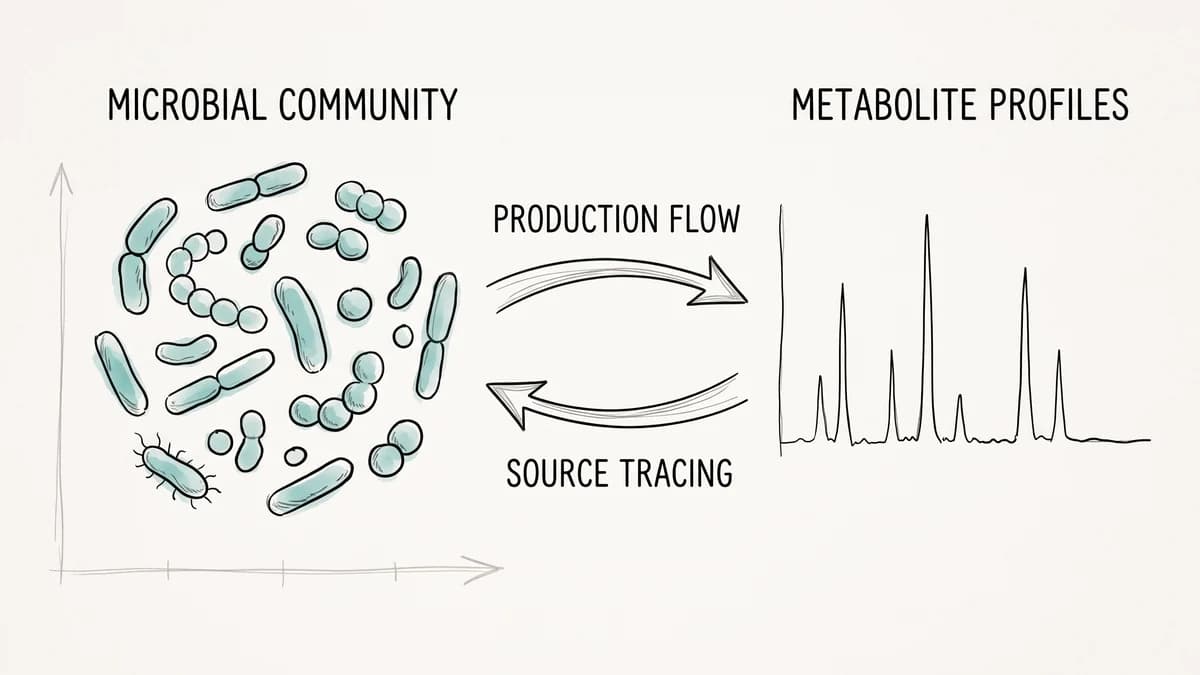
Methods for Microbial Ecology & Metabolomics
Method development runs through everything we do, building on BEEM and BEEM-Static, our algorithms for recovering absolute abundances from compositional data. We are extending it in three directions: spatiotemporal dynamics from fecal metagenomes, annotation of uncharacterized LC-MS and MS/MS features, and linking metabolites to the microbes that produce them.
- Spatiotemporal dynamics inferred from fecal metagenomic data
- Metabolite annotation from LC-MS and MS/MS spectra
- Linking metabolites to their microbial and enzymatic sources
- Protein language models for enzyme function prediction